The Brastel Method
A documented account of how each Brastel composition is researched, formulated, sourced, and verified — from the first literature review to the batch archive entry that precedes every release.
Six stages from research to release
Literature Review
Every ingredient considered for inclusion begins with a review of the published nutritional literature. The review is conducted by a qualified nutrition professional retained by Brastel. The assessment covers observed intake adequacy for men across working-age populations, reported correlations with energy metabolism and immune function, and the quality and recency of the underlying research. Ingredients for which the evidence is sparse, contested, or predominantly derived from non-human studies are excluded at this stage.

Composition Design
Once a shortlist of validated ingredients has been assembled, the daily composition is designed around the published nutritional reference values applicable to the target population. Ingredient ratios are calculated to align with the observed upper limits for each micronutrient, and the final serving composition is reviewed for interactions between co-administered compounds. The composition record is dated and filed in the founding archive before any supplier engagement begins.
Supplier Qualification
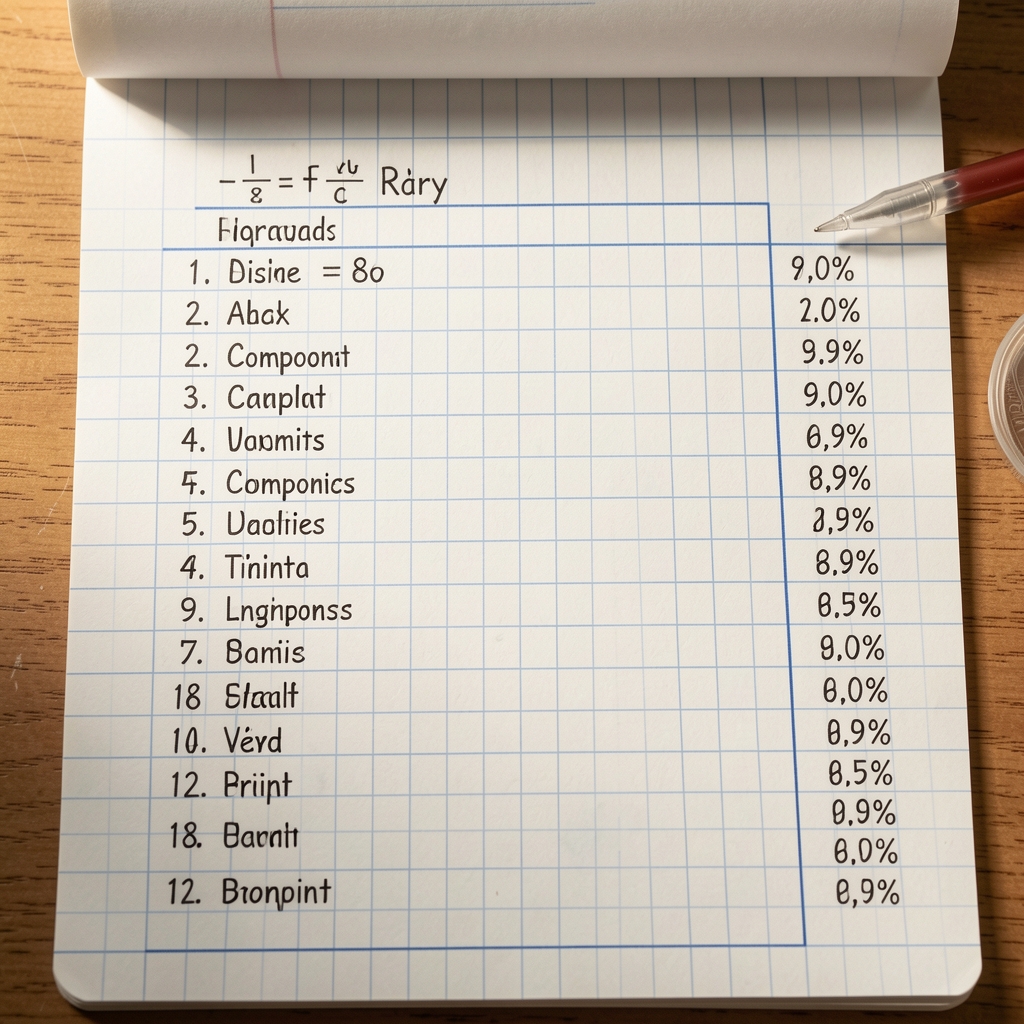
Active ingredients are sourced from documented suppliers, with each batch accompanied by a certificate of composition. Sourcing prioritises suppliers whose facilities maintain food-grade processing standards. Each supplier in the Brastel network is assessed against a standardised qualification checklist before the first order is placed. The checklist covers: documentation of origin, processing environment standards, cold-chain compliance capability, and certificate issuance practice. Suppliers are reviewed annually; the review date is logged in the supplier record.

Production & Granulation
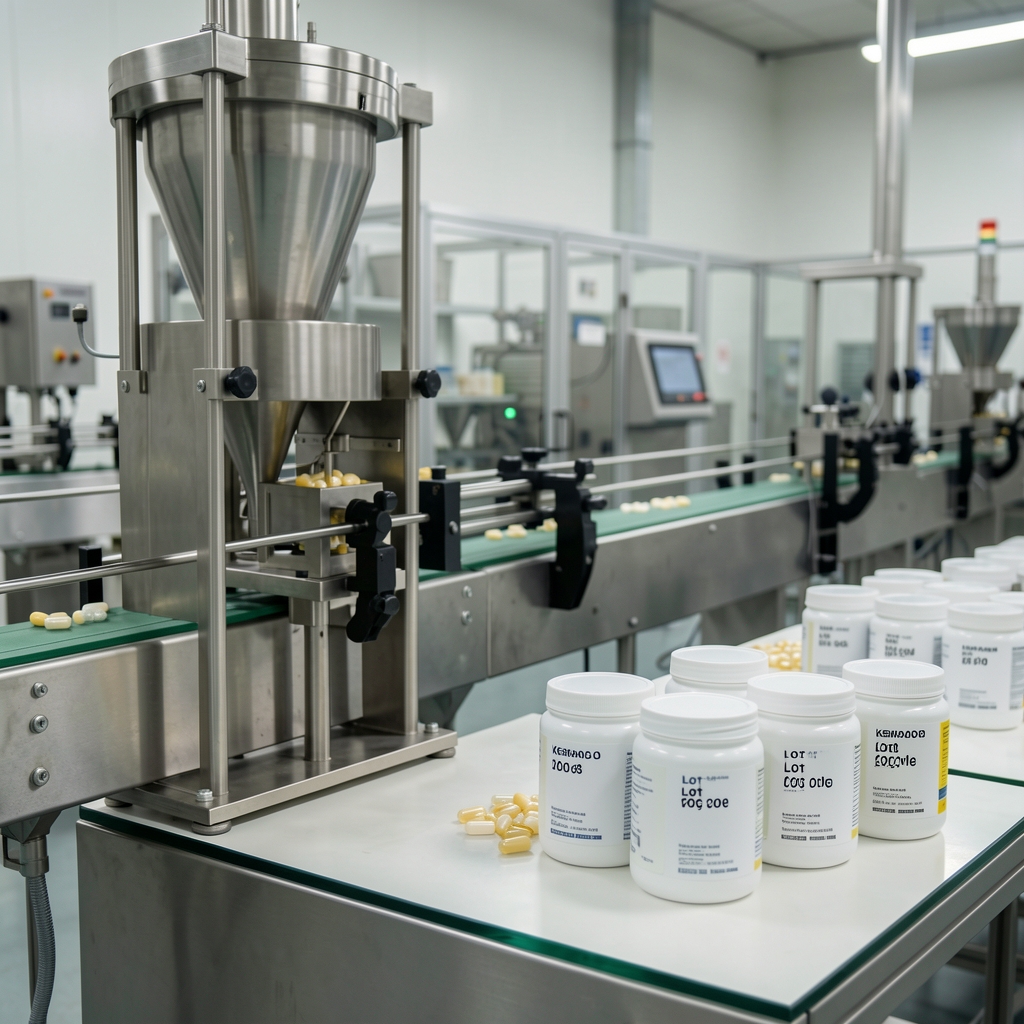
Production takes place at the Glodok facility under a documented quality protocol. Each production run is assigned a unique lot code at initiation. The granulation process follows a fixed sequence documented in the production record. Capsule shell integrity and fill weight are checked at regular intervals during the run. Deviations from the expected weight tolerance are logged and assessed before the batch proceeds to the verification stage. No lot is advanced without a complete and signed production record.
Independent Batch Verification
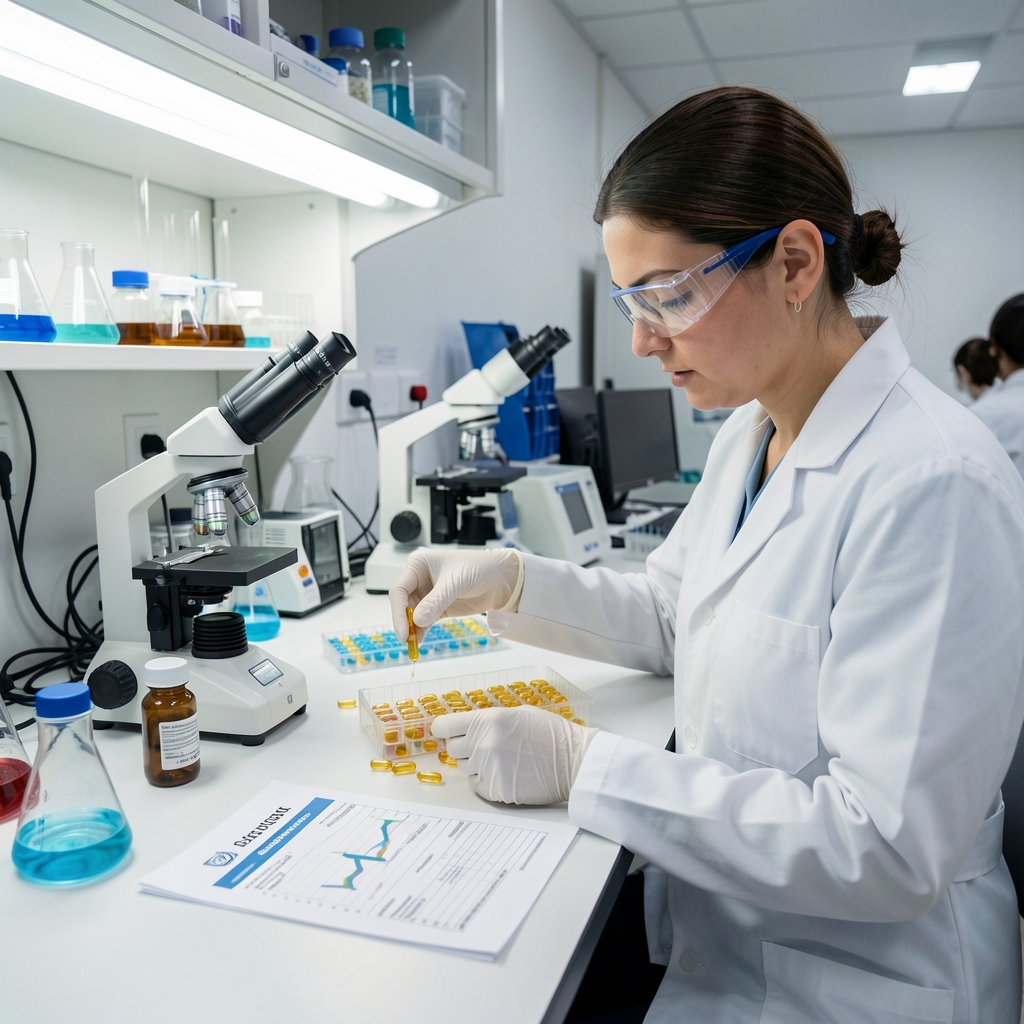
Ingredient profiles in Brastel supplements are selected based on published nutritional research and undergo independent batch verification for quality and labelling accuracy. Samples from each production batch are sent to an independent laboratory for elemental concentration analysis. The laboratory is independent of both the Brastel operation and the ingredient supplier network. The analysis confirms that active ingredient concentrations match the declared values within the accepted tolerance. The certificate of analysis is retained in the lot record archive.
Archive Entry & Release
When the independent verification is complete and the certificate of analysis confirms compliance, the lot record entry is finalised. The archive entry includes the lot code, production date, supplier references for each active ingredient, production record file, and the certificate of analysis. The batch is then released for dispatch. No batch is released without a complete archive entry. The archive is maintained in the Glodok facility and is navigable by lot code or date.

Six documented suppliers. All reviewed annually.
The Brastel supplier network was formalised in 2022 following a review of available raw-material sources across regional and international markets. Suppliers are categorised by the ingredient class they supply and assessed separately on documentation quality, processing environment, and cold-chain capability.
Mineral Compounds
Zinc and magnesium are sourced as chelated mineral compounds from a supplier with documented multi-region distribution. Cold-chain records accompany every delivery. Annual review: compliant.
Fat-Soluble Vitamins
Vitamin D3 is supplied in an oil-suspended micro-encapsulated form to support stability throughout the production and storage cycle. Origin documentation is maintained per delivery batch. Annual review: compliant.
Water-Soluble Vitamins
Vitamin B12 and Vitamin C are supplied in their respective bioavailable forms (methylcobalamin and ascorbic acid) from two separate qualified suppliers. Certificates accompany each delivery. Annual review: compliant.
Coenzyme & Antioxidant Compounds
CoQ10 (ubiquinone form) and Selenium are supplied from a qualified regional distributor. Both are held to the same chain-of-custody documentation requirements as primary mineral sources. Annual review: compliant.
Encapsulation Materials
Capsule shells are sourced from a supplier whose production documentation confirms food-grade processing standards throughout the manufacturing process. Shell integrity is verified during every production run. Annual review: compliant.
Packaging & Labelling
Primary and secondary packaging materials are supplied locally and assessed for food-contact compliance. Labels are proofread against the composition record before each print run. Label revision history is maintained in the lot record. Annual review: compliant.
Named-region materials and documented origin maps
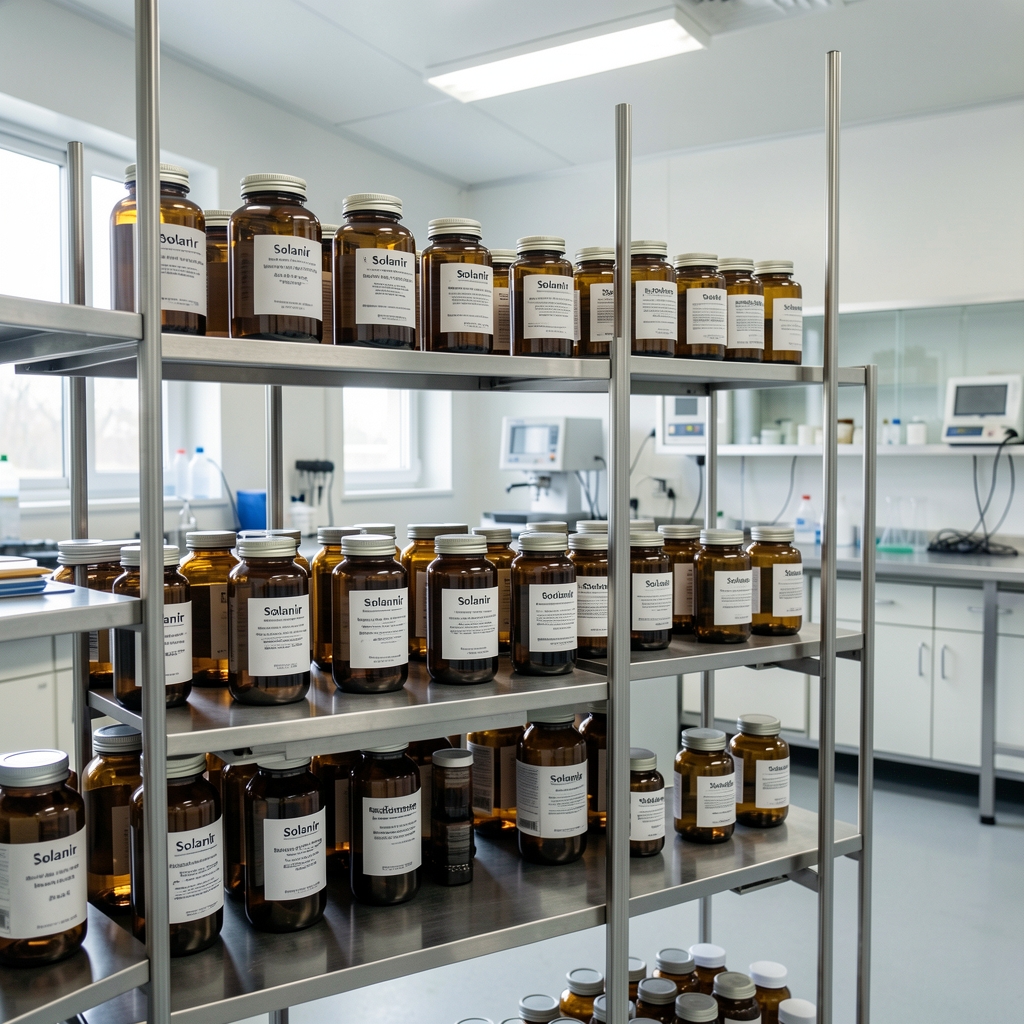
Where the origin of a raw material is relevant to its elemental profile — as is the case with certain mineral compounds whose composition varies by extraction region — Brastel maintains a named-region entry in the lot record. This entry documents the specific geographic source of the material, the supplier through which it was obtained, and the delivery date.
Cold-chain records are filed per delivery for temperature-sensitive compounds. Deviations from the expected delivery temperature range are logged and assessed. If a delivery falls outside the acceptable range, the material is held pending a re-analysis before it enters the production process.
The sourcing documentation archive is reviewed annually as part of the supplier qualification process. Suppliers whose documentation practices fall below the minimum standard are placed on a probationary review. No supplier has been removed from the network since founding; the annual reviews have consistently returned compliant results.
Brastel products are nutritional food-supplements registered with the applicable local regulatory authority under food-supplement classification. Products meet compositional and labelling requirements for nutritional supplement categories.
Ingredient profiles in Brastel supplements are selected based on published nutritional research and undergo independent batch verification for quality and labelling accuracy.
We recommend speaking with a qualified wellness or nutrition professional before introducing any supplement to your daily routine, particularly if you have specific dietary requirements.
Methodology questions answered
Three compositions produced through this process
Every composition in the Brastel range was produced through the six-stage methodology described above. The lot record for every batch is available to verified purchasers on request.